
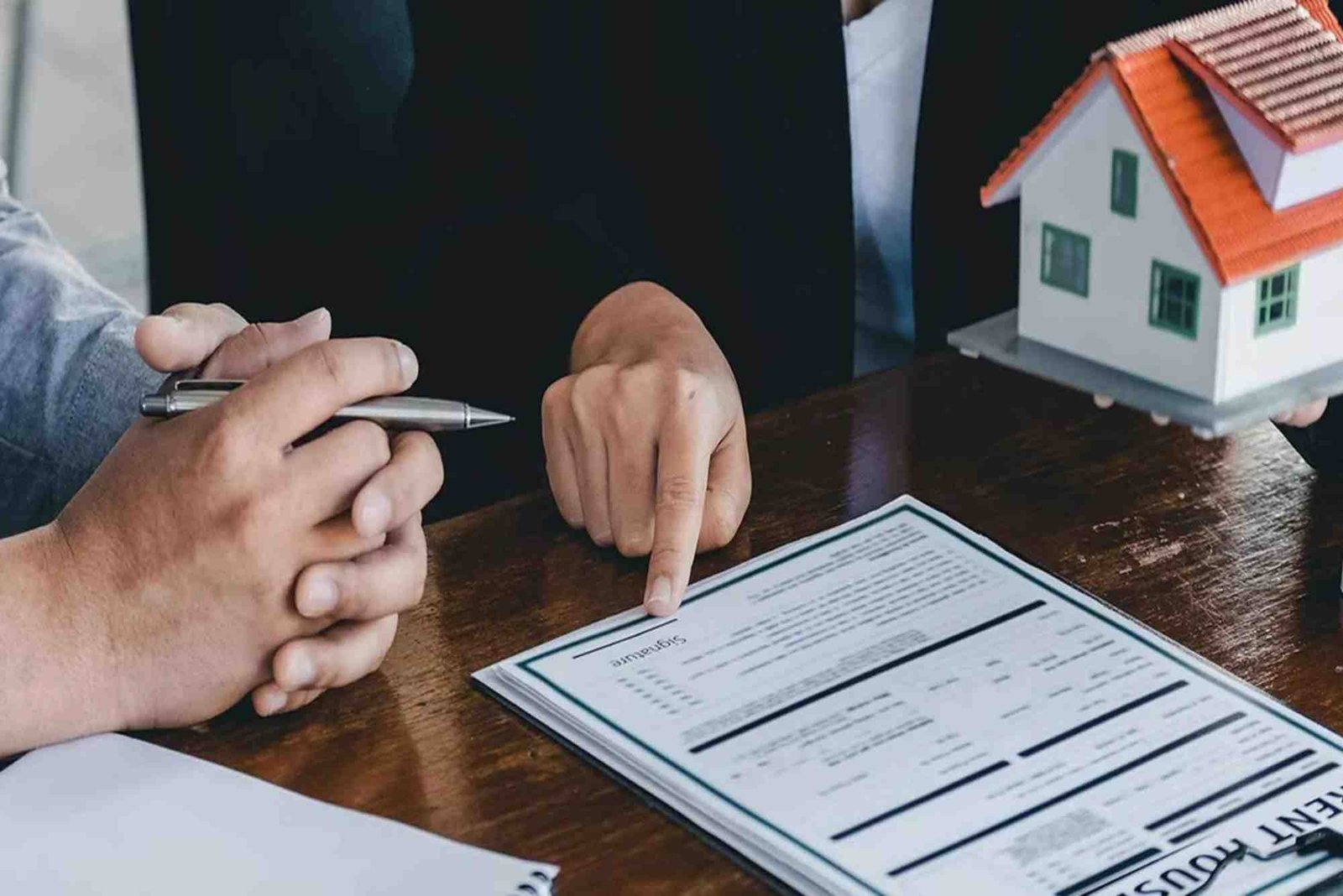
Introduction
Renting an apartment can feel like the perfect solution for many people, whether you are a young professional, a student, or someone seeking flexibility. However, like any housing decision, it comes with both advantages and drawbacks. Understanding these pros and cons before signing a lease can save you time, money, and stress. In this article, we’ll explore practical tips on the pros and cons of renting an apartment, helping you make an informed choice that suits your lifestyle.
Advantages of Renting an Apartment
Flexibility and Freedom
One of the biggest advantages of renting is flexibility. Unlike owning a home, renting allows you to relocate easily. Whether it’s for a new job, education, or lifestyle change, you aren’t tied down by a mortgage. Short-term leases or month-to-month rental options make it easier to adjust your living situation without significant financial consequences.
Lower Upfront Costs
Renting typically requires less upfront investment compared to buying a home. Most landlords only require a security deposit and first month’s rent, avoiding large down payments and closing costs. This can free up funds for savings, investments, or other financial priorities.
Maintenance and Repairs
In most rental agreements, the landlord handles maintenance and repairs. From plumbing issues to appliance replacement, tenants are not responsible for major expenses. This can save renters both time and money, allowing them to focus on their personal and professional lives. For related advice on managing living costs, check out this Related Real Estate article.
Amenities and Convenience
Many apartment complexes offer amenities like gyms, pools, and security services. Renters can enjoy these benefits without the additional responsibility and cost of maintaining them. Additionally, apartments are often located near public transport, shopping areas, and city centers, making daily life more convenient.
No Market Risk
Renters don’t face the financial risk associated with housing market fluctuations. Homeowners might lose money if property values decline, but renters simply pay their monthly rent without worrying about property depreciation.
Disadvantages of Renting an Apartment
Limited Control and Customization
Renters often face restrictions on how they can personalize their living space. Painting walls, renovating, or making structural changes usually requires landlord approval. This can make it difficult to create a truly personalized home environment.
Rent Increases
Landlords can raise rent prices, sometimes unexpectedly. Even in areas with rent control, increases can outpace wage growth. Budgeting for potential rent hikes is essential to avoid financial strain.
No Equity Building
Unlike homeowners, renters do not build equity over time. Monthly rent payments go to the landlord and do not contribute to long-term financial growth. This is a key consideration for those looking to invest in property as a wealth-building strategy.
Restrictions and Rules
Apartment living often comes with rules, such as noise limits, pet policies, and visitor restrictions. While these rules maintain community harmony, they can feel limiting for renters seeking total freedom in their home life.
Lease Obligations
Breaking a lease early can lead to financial penalties or legal consequences. Renters must carefully read and understand lease terms to avoid unexpected costs. Planning ahead and communicating with landlords can help mitigate these risks.
Practical Tips for Renting Wisely
Evaluate Your Budget
Before committing to a lease, assess your monthly budget. Include rent, utilities, transportation, groceries, and discretionary expenses. A clear understanding of your finances helps prevent overcommitting to an apartment you cannot comfortably afford.
Research the Neighborhood
Location impacts convenience, safety, and quality of life. Check for nearby amenities, schools, public transport, and crime rates. Visiting the neighborhood at different times of day can provide a realistic perspective.
Inspect the Apartment Carefully
Look for signs of wear, maintenance issues, or potential hazards. Document any existing damage and discuss them with the landlord before signing the lease to avoid disputes later.
Understand the Lease Terms
Read your lease thoroughly and ask questions about unclear clauses. Clarify policies on rent increases, maintenance responsibilities, and lease termination procedures. Being informed protects you from unexpected costs or conflicts.
Consider Renters Insurance
Renters insurance can cover personal belongings, liability, and temporary housing in case of damage. Though optional in many leases, it is a practical safeguard for renters against unforeseen events.
Build Good Landlord Relationships
Maintaining open communication with your landlord can make problem-solving easier. Promptly reporting issues, paying rent on time, and respecting community rules can lead to a positive rental experience and potential lease renewals at favorable terms.
Renting an apartment offers flexibility, convenience, and reduced responsibility, making it an attractive choice for many. However, it also comes with limitations such as lack of equity, rent increases, and lease obligations. By evaluating your needs, budget, and lifestyle, you can make an informed decision that maximizes the benefits while minimizing drawbacks.
If you want to explore more about housing options and property insights, check out Pros And Cons Of Renting An Apartment or Learn more about practical tips on related topics. Taking the time to research and plan ensures your renting experience is both enjoyable and financially sound.
FAQs
Is renting an apartment cheaper than buying?
Renting often has lower upfront costs, but long-term, buying a home can build equity. Evaluate your financial goals to determine which is more cost-effective.
Can I negotiate rent with my landlord?
Yes, especially if you have a good rental history or are signing a long-term lease. It’s worth discussing possible discounts or concessions.
Should I get renters insurance?
Renters insurance is highly recommended. It protects personal belongings and liability in case of accidents, theft, or natural damage.
How do I choose the best apartment for my needs?
Consider location, budget, amenities, lease terms, and neighborhood safety. Inspect the property in person and ask questions before signing.
Can I decorate my rented apartment?
You can usually make minor changes like hanging pictures, but major renovations require landlord approval. Always check your lease terms first.