
Planning meals for the week doesn’t have to be expensive or overwhelming. With careful preparation, you can save money, reduce food waste, and still enjoy tasty, nutritious meals. Many people assume that eating well on a budget means sacrificing variety or flavor, but that isn’t true. With a few smart strategies, affordable meal planning can become a manageable and even enjoyable routine.
Understanding the Importance of Affordable Meal Planning
Affordable meal planning goes beyond saving money; it also promotes a healthier lifestyle and reduces food waste. When you plan meals ahead, you can control portion sizes, make better choices, and avoid impulsive spending on takeout. Preparing meals at home allows you to choose fresh ingredients, adapt recipes to your taste, and manage dietary preferences without stretching your budget. In addition, having a plan for the week reduces stress, making grocery shopping more focused and efficient.
Setting a Realistic Food Budget
The first step in planning affordable meals is establishing a clear budget. Start by calculating your weekly income and determining how much you can realistically allocate to groceries. Factor in the cost of essentials like fruits, vegetables, proteins, and grains. It helps to categorize your spending by meal type or day. Once you have a budget, track your grocery expenses to ensure you’re staying on target. Over time, you’ll develop a better sense of which items are worth splurging on and where you can save.
Planning Meals Around Seasonal and Local Produce
Seasonal fruits and vegetables are usually more affordable and fresher than out-of-season imports. Local markets often offer deals on produce, allowing you to stretch your budget further. By planning meals around these ingredients, you not only save money but also support local farmers. Seasonal produce also adds variety to your diet, preventing meal fatigue. For example, in summer, you can focus on fresh tomatoes, zucchini, and berries, while in winter, root vegetables and leafy greens take the spotlight.
Creating a Flexible Meal Plan
A practical weekly meal plan should be flexible, accommodating changes in schedule and unexpected events. Start by mapping out breakfast, lunch, dinner, and snacks for each day. Consider recipes that can be prepared in bulk and stored for later, like soups, stews, or casseroles. Mixing versatile ingredients in different ways prevents boredom while maximizing your grocery budget. For instance, roasted chicken can be used in salads, sandwiches, and stir-fries throughout the week, reducing both prep time and cost.
Emphasizing Cost-Effective Proteins
Proteins are often the most expensive grocery item, but several affordable options can still keep meals nutritious. Eggs, beans, lentils, tofu, and canned fish offer high protein without breaking the bank. Incorporating plant-based proteins into your weekly plan is not only cost-effective but also adds variety to your meals. For example, a simple lentil curry or chickpea salad can provide protein, fiber, and flavor at a fraction of the price of meat-based dishes.

Smart Grocery Shopping Tips
Shopping with a plan is essential for affordable meal preparation. Start with a detailed list to avoid impulse buys. Compare prices, look for sales, and consider buying store-brand or bulk items for staples like rice, pasta, and oats. Avoid shopping when hungry, as this often leads to unnecessary purchases. Using digital coupons, cashback apps, or loyalty programs can further reduce your grocery expenses. Over time, these small adjustments add up, helping you stick to your weekly budget effortlessly.
Meal Prep Strategies to Save Time and Money
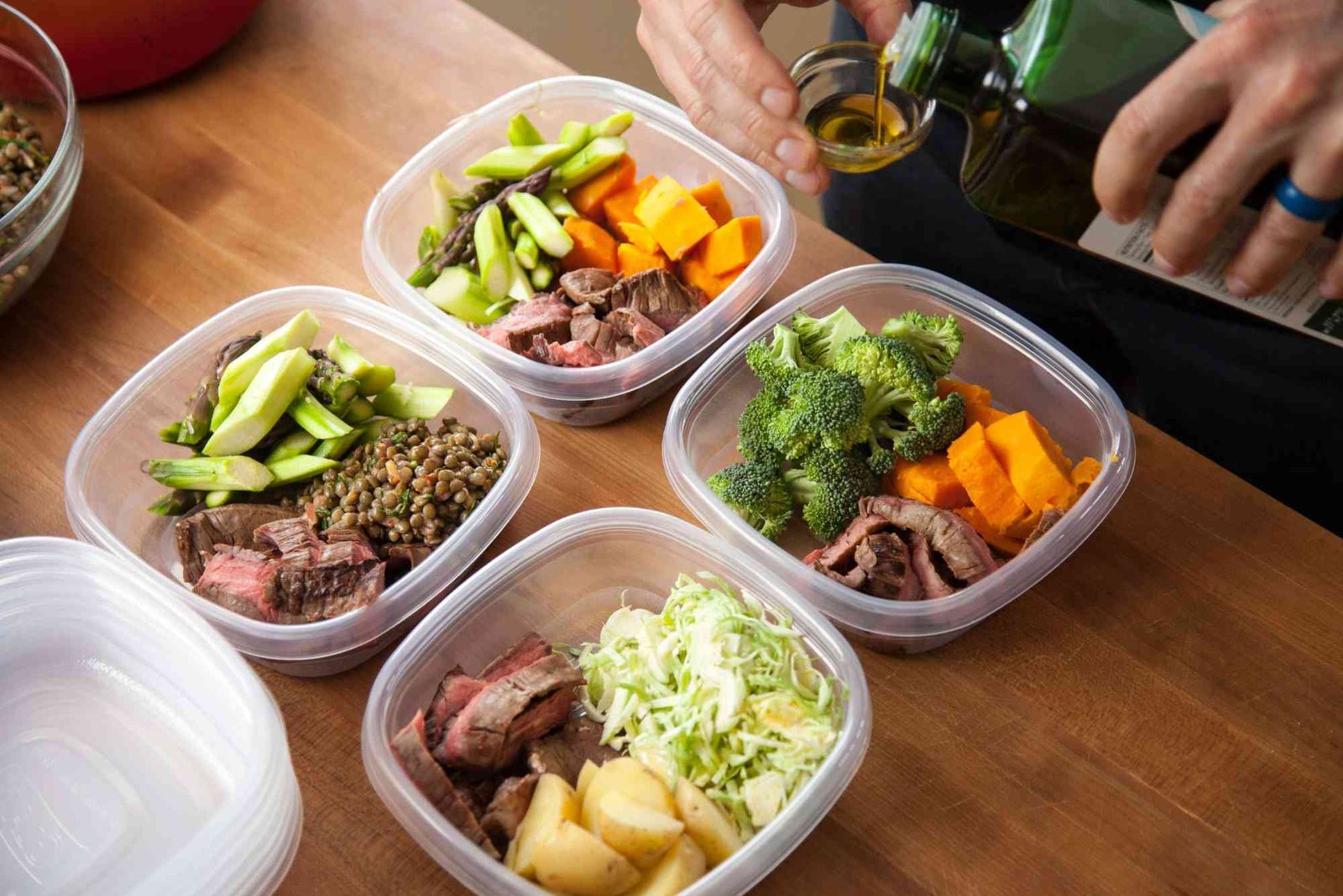
Meal prepping in advance saves both time and money. Dedicate a few hours each weekend to chopping vegetables, cooking proteins, and assembling meals. Store portions in airtight containers for easy access during the week. Prepping ingredients rather than entire meals also allows for flexibility if plans change. For instance, pre-cut vegetables can be quickly roasted, sautéed, or added to soups depending on the day’s preference.
Using Leftovers Wisely
Leftovers are an underrated tool for affordable meal planning. Transforming yesterday’s dinner into today’s lunch prevents food waste and stretches your grocery budget. Simple swaps, like turning roasted vegetables into a frittata or a grain bowl, make meals feel new while using the same ingredients. Proper storage is crucial—use airtight containers and label items with dates to maintain freshness throughout the week.
Incorporating Budget-Friendly Snacks
Snacks are often an overlooked expense. Preparing affordable options like fruit, nuts, yogurt, or homemade granola bars helps you resist costly convenience foods. Portioning snacks in advance prevents overeating and makes them convenient for work or school. By incorporating inexpensive and nutritious snacks into your meal plan, you maintain energy levels without exceeding your budget.
Maintaining Variety Without Overspending
Eating affordably doesn’t mean sticking to the same meals repeatedly. Experiment with different cuisines, herbs, and spices to enhance flavor without adding cost. Rotating proteins and vegetables weekly ensures balanced nutrition and keeps meals exciting. You can also try themed days, such as “Meatless Mondays” or “Soup Sundays,” to introduce creativity while managing expenses.
Leveraging Technology for Meal Planning
Several apps and online tools simplify affordable meal planning. Recipe apps, grocery list managers, and budget trackers streamline the process, ensuring you stay organized. These tools often include shopping lists, cost estimations, and meal prep reminders, making planning efficient and stress-free. Utilizing technology also allows you to find budget-friendly recipes tailored to your dietary preferences.
Overcoming Common Challenges
Meal planning may seem daunting initially, but small adjustments make a difference. Some common obstacles include unexpected schedules, picky eaters, or lack of cooking confidence. Keep backup ingredients for quick meals and explore simple recipes that require minimal effort. Gradually, planning meals will become a habit, and your ability to cook affordable, flavorful dishes will improve.
Planning affordable food meals for the week is achievable with the right approach. By setting a budget, shopping strategically, and prepping meals in advance, you can enjoy nutritious, diverse, and delicious dishes without overspending. Start small, stay flexible, and experiment with different ingredients to find what works best for you. Your weekly meal planning routine can save money, improve your diet, and reduce stress.
FAQ
How do I start meal planning on a tight budget?
Start by listing your meals for the week, focusing on affordable ingredients like rice, beans, seasonal vegetables, and eggs. Buy in bulk where possible and prep meals in advance to save both time and money.
Can meal planning really save money?
Yes. Planning meals reduces impulsive purchases, limits food waste, and helps you take advantage of bulk buying and sales. Over time, it can significantly reduce grocery expenses.
What are some cheap, nutritious foods for weekly meals?
Affordable options include lentils, beans, oats, frozen vegetables, eggs, and canned fish. Seasonal produce also adds variety without increasing costs.
How do I avoid getting bored with affordable meals?
Rotate ingredients, try new spices, and experiment with international recipes. Using leftovers creatively and introducing themed meal days can also keep things interesting.
Is meal prepping necessary for affordable meal planning?
While not mandatory, meal prepping saves time and prevents last-minute takeout. Preparing ingredients or full meals in advance ensures you stick to your budget and eat healthier.
Looking for a place to explore a variety of interesting content and stay updated with the latest trends? Visit doneland.com to discover insightful articles, helpful resources, and much more. Make doneland.com your go-to destination for engaging online experiences.
Related Reading: Best Food Recipes for Family Gatherings
Related Reading: Healthy Food Options for a Busy Lifestyle