Artificial Intelligence in retail continues to transform how businesses connect with customers, optimize operations, and stay competitive in a rapidly changing market. From personalized shopping experiences to advanced inventory management, AI has become an indispensable tool for retailers of all sizes. In this article, we’ll explore the top benefits of Artificial Intelligence in retail and why it matters for both today’s businesses and tomorrow’s innovation.
Understanding Artificial Intelligence in Retail
Artificial Intelligence, often called AI, involves machines that emulate human decision‑making, learning, and problem‑solving. In retail, AI encompasses technologies like machine learning, natural language processing, robotics, and predictive analytics. When applied well, AI turns vast amounts of data into actionable insights that enhance every part of the retail value chain.
As the retail landscape becomes more competitive and customer expectations rise, retailers are increasingly adopting Artificial Intelligence in retail to stay ahead. AI isn’t just a trend — it’s a strategic advantage that drives value with measurable results.
Transforming Customer Experience with AI
One of the most significant benefits of Artificial Intelligence in retail is its ability to revolutionize the customer experience. Today’s consumers expect personalized interactions, fast responses, and seamless journeys across devices and channels. AI steps in to make that possible.
When customers shop online or in‑store, AI systems analyze preferences, past purchases, and browsing patterns to deliver personalized product recommendations. This not only delights customers but also increases average order values. For example, when a shopper receives tailored suggestions based on their tastes, they’re more likely to explore relevant products and make additional purchases.
Artificial Intelligence in retail also enhances customer support through chatbots and virtual assistants. These AI‑powered tools offer 24/7 assistance, answer common questions instantly, and guide shoppers through browsing and checkout. Unlike traditional support channels, AI chatbots reduce wait times and free up human staff for more complex customer needs.
Improving Inventory Management and Forecasting
Effective inventory management can make or break a retail business. Overstocking ties up capital and increases storage costs, while understocking leads to lost sales and unhappy customers. AI helps retailers strike the right balance by using predictive analytics to forecast demand accurately.
Artificial Intelligence in retail analyzes sales trends, seasonality, regional variations, and even external factors like weather to predict future demand. This allows retailers to optimize inventory levels and reduce waste. Rather than relying on manual spreadsheets or gut instinct, businesses can make data‑driven supply decisions that improve profitability.
Moreover, AI‑powered automation streamlines restocking processes. Smart systems can automatically generate purchase orders or flag low stock levels before they become critical. This proactive approach saves time and reduces costly mistakes.
Streamlining Supply Chain Operations
The retail supply chain is complex, involving manufacturers, warehouses, transportation, and stores. AI helps streamline these interconnected systems by boosting visibility and efficiency across the entire supply chain.
With AI, retailers can track products in real time, anticipate disruptions, and optimize delivery routes. These capabilities minimize delays and lower transportation costs. For instance, AI algorithms can evaluate traffic patterns and carrier performance to recommend the most efficient shipping options.
Artificial Intelligence in retail also supports risk management. By analyzing data from suppliers and logistics partners, AI can detect vulnerabilities and suggest alternative strategies before problems escalate. This level of foresight is particularly valuable in a global market where supply chains face constant disruption.
Enhancing Pricing Strategy and Competitive Advantage
Pricing is a delicate balance for retailers. Set prices too high and risk losing sales; set them too low and sacrifice profit margins. AI enables smart pricing strategies by analyzing competitor pricing, customer demand, inventory levels, and market conditions in real time.
Artificial Intelligence in retail allows dynamic pricing — adjusting prices based on demand fluctuations or competitor changes — without human intervention. This helps retailers remain competitive and protect their margins. Such technology is especially useful in fast‑moving categories like electronics, fashion, or grocery.
AI‑driven pricing also supports promotional planning. Rather than offering blanket discounts, retailers can identify the most effective promotional tactics that drive conversions while protecting profitability. As a result, businesses gain a significant advantage over competitors who rely on static pricing.
Personalization: Beyond Product Recommendations
Personalization is more than product recommendations. Artificial Intelligence in retail unlocks deeper insights about customer behavior and preferences. With these insights, stores can tailor communications, offers, and experiences at scale.
AI evaluates data from multiple touchpoints — website visits, mobile app activity, past purchases, and loyalty program interactions. This creates comprehensive customer profiles that power personalized messaging across channels. For example, a customer might receive a special offer on an item they viewed but didn’t purchase, boosting the chances of conversion.
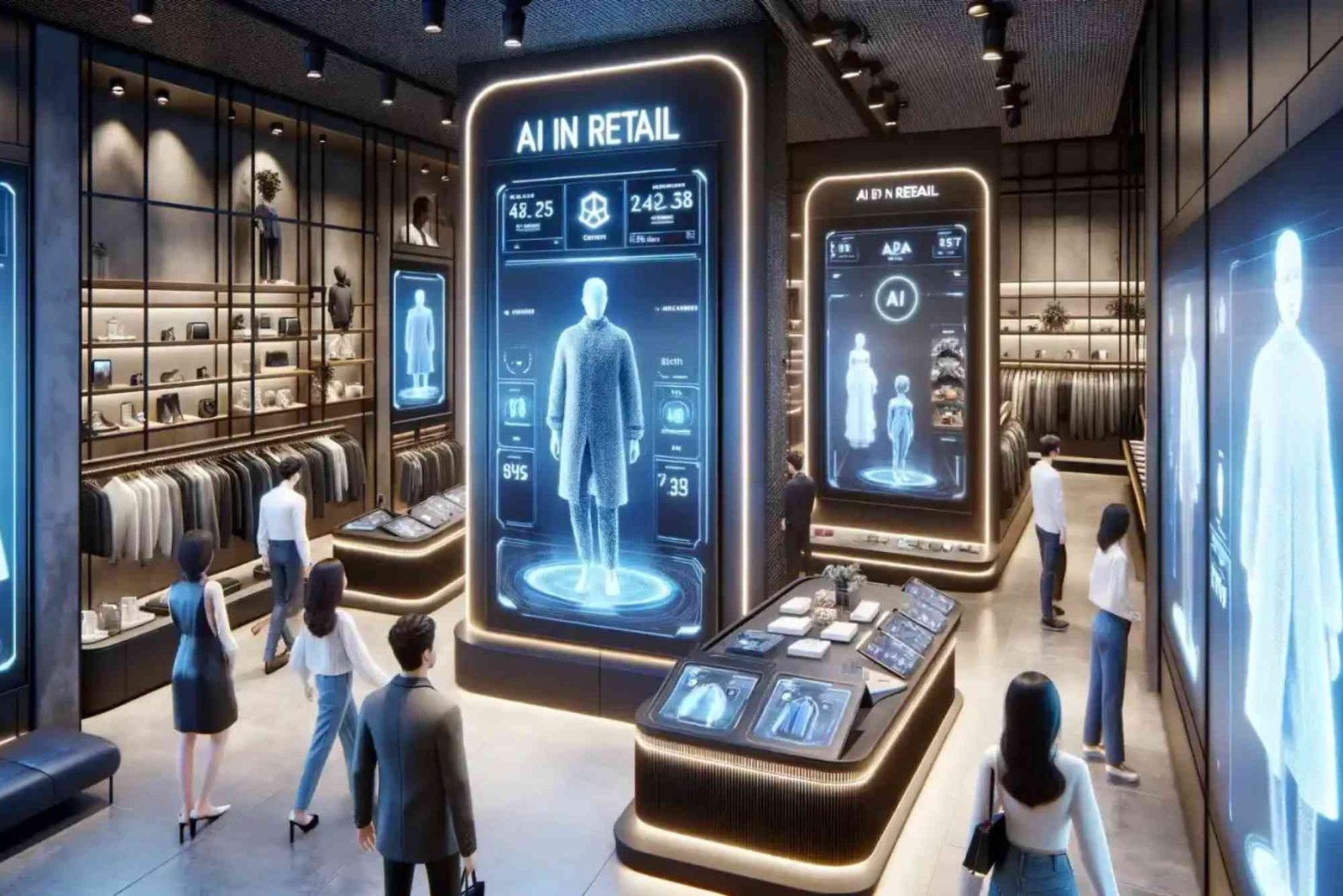
Furthermore, AI personalizes in‑store experiences. Smart mirrors, interactive displays, and mobile apps can suggest products based on what a shopper tries on or browses. These technologies blend physical retail with digital intelligence, creating richer customer experiences that feel relevant and engaging.
Boosting Sales and Reducing Costs
Retailers measure success by two key metrics: sales growth and cost efficiency. Artificial Intelligence in retail supports both goals simultaneously. By improving targeting, optimizing pricing, and streamlining operations, AI ultimately drives higher revenues while lowering expenses.
With precise demand forecasting and optimized inventory, retailers can reduce markdowns and stockouts — both of which erode profit margins. AI also enhances marketing campaigns by targeting the right customers at the right time with the right messages, minimizing wasted spend.
Automation enabled by AI further cuts costs by taking over repetitive tasks like data entry, order processing, and customer inquiries. This allows staff to focus on higher‑value activities such as customer engagement, creative marketing, and strategy development.
Revolutionizing the Checkout Experience
Long lines and slow checkout processes frustrate customers and can lead to abandoned purchases. AI improves the checkout experience by enabling faster, more seamless options. From self‑checkout kiosks to cashierless stores, Artificial Intelligence in retail reimagines how customers complete transactions.
Technology like computer vision and sensor fusion allows some retailers to eliminate traditional checkout altogether. Customers simply pick up items and leave, with AI automatically tracking their purchases and charging their accounts. This level of convenience delights customers and reduces labor costs associated with checkout staffing.
Even in traditional checkout settings, AI can speed up payment by recognizing products faster, detecting pricing errors, and offering frictionless payment options. The result is a smoother, more satisfying end‑to‑end experience.
Enhancing Loss Prevention and Security
Retailers face ongoing challenges related to theft, fraud, and shrinkage. AI helps protect assets by detecting unusual patterns and suspicious behavior in real time. Computer vision systems monitor security cameras and alert staff when potential theft occurs. These systems are more accurate and scalable than manual surveillance.
In addition to physical security, Artificial Intelligence in retail improves cybersecurity. AI tools can identify threats, prevent fraudulent transactions, and secure customer data. With the rise of e‑commerce and digital payments, robust security systems are critical to maintaining trust and protecting business integrity.
Supporting Sustainability Efforts
Sustainability has become a priority for customers and retailers alike. AI supports sustainability in multiple ways, from reducing waste to optimizing energy use. For example, demand forecasting reduces overproduction, a major cause of waste in fashion and consumer goods.
AI can also optimize delivery routes to lower fuel consumption and emissions. In stores, smart energy management systems adjust lighting and HVAC based on customer traffic and usage patterns. These efforts contribute to a smaller environmental footprint and resonate with eco‑conscious shoppers.
Preparing Retail for the Future
As technologies evolve, so will the application of Artificial Intelligence in retail. Emerging innovations like augmented reality (AR), voice commerce, and autonomous delivery promise to further change how customers shop. Retailers who invest in AI today are better positioned to adopt the next wave of innovation.
How Cloud Solutions Improve Team Collaboration Cloud solutions enhance team collaboration by allowing real-time access to shared documents and tools from anywhere. Team members can edit simultaneously, communicate seamlessly, and track progress efficiently. This reduces delays, improves transparency, and fosters a more connected and productive work environment, regardless of location.
AI also empowers retailers to future‑proof their businesses by making smarter, data‑driven decisions. Instead of reacting to trends, companies can anticipate them thanks to predictive insights from AI systems. This proactive approach is crucial in a world where customer expectations and market dynamics shift quickly.
Frequently Asked Questions (FAQs)
What is Artificial Intelligence in retail?
Artificial Intelligence in retail refers to the use of intelligent systems and machine learning to enhance shopping experiences, optimize operations, and power data‑driven decisions throughout the retail ecosystem.
How does AI improve customer experience?
AI enhances customer experience through personalization, instant support with chatbots, tailored recommendations, and seamless multi‑channel interactions that make shopping more intuitive and relevant.
Can AI help reduce retail costs?
Yes. By automating repetitive tasks, improving inventory forecasting, and optimizing pricing, AI reduces operational costs while increasing revenue opportunities.
Is AI only for large retail companies?
Not at all. While large retailers may have more resources, AI solutions are increasingly accessible to small and midsize retailers, enabling them to compete effectively in a digital marketplace.
Artificial Intelligence in retail is no longer optional — it’s essential for competitive success in a digital economy. As we’ve explored, AI transforms customer experience, streamlines operations, boosts sales, and supports sustainability. Retailers that embrace AI will be better positioned to meet customer expectations, adapt to change, and drive long‑term growth.
Looking for a one-stop destination for the latest updates, insights, and resources? Visit doneland.com to explore a wide range of content designed to keep you informed and inspired. Start your journey today at doneland.com!