
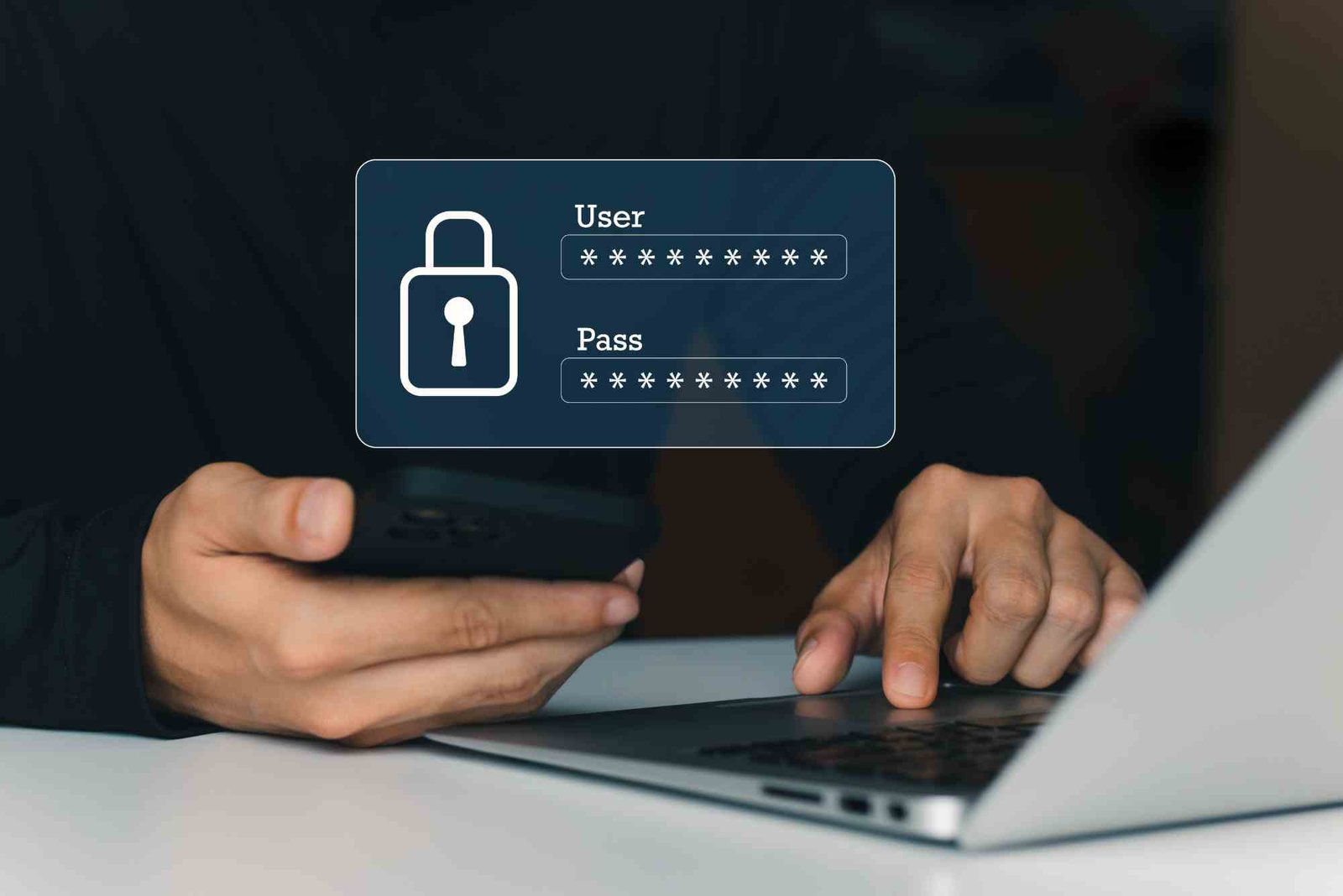
In an era where digital threats evolve every day, How to Create a Strong Online Security Policy isn’t just a technical task; it’s a business imperative for protecting your data, systems, and reputation. A strong online security policy serves as the backbone of your organization’s defense. It outlines rules, responsibilities, systems, and practices that reduce risk and ensure everyone knows how to behave online. Whether you’re a startup owner or a security professional, understanding how to build and maintain a policy sets the foundation for lasting digital safety. In this article, we’ll walk through expert guidance to help you establish, implement, and refine your online security strategy with confidence and clarity.
Introduction: Why Online Security Policy Matters
Every organization that uses digital tools — from emails to online tools and cloud storage — faces cyber risks. These risks range from phishing attacks and malware to ransomware and data leaks. Strong online security policies help staff know what is expected of them and how your organization protects sensitive information. They act as both instruction and accountability frameworks that mitigate threats and vulnerabilities tailored to your business context. Without a clear policy, employees may unintentionally create openings that cybercriminals can exploit, costing time, money, and trust.
Understanding the Basics of Online Security Policy
What Is an Online Security Policy?
An online security policy is a written document that outlines your organization’s approach to safeguarding digital assets. It defines the rules and procedures anyone accessing systems must follow. This includes acceptable use, password standards, data protection protocols, and incident response plans. Having this documented strategy ensures that employees, contractors, and stakeholders maintain consistency in approach and behaviour when operating online. This clarity also supports compliance with legal and industry standards, boosting trust with customers and partners.
Aligning Policy with Organizational Needs
A strong policy should reflect your organization’s unique digital landscape — what systems you use, what data you collect, and who interacts with it. Begin by identifying what assets require protection, such as databases, emails, customer records, or proprietary tools. This asset inventory becomes the basis for choosing appropriate security measures and allocating resources where they matter most. Once you understand what you need to protect, you can craft security rules that minimize risk and support your overall business strategy.
Core Components of a Strong Online Security Policy
Clear Purpose and Scope
Your first section should clearly state why the policy exists and whom it covers. This sets context for everyone who reads it. A well-defined scope explains which systems, roles, and environments the policy applies to. For example, it might include network access controls, device usage guidelines, or acceptable online activities. Starting with clarity ensures readers understand the relevance and importance of the policy from the outset.
Defined Roles and Responsibilities
Everyone who interacts with your systems should understand their role in maintaining security. Assign accountable parties for key functions, such as policy enforcement, incident response coordination, and access control management. For instance, IT teams may enforce technical standards, while HR ensures that staff receive training. Clear accountability prevents confusion and ensures consistent adherence.
Access and Password Controls
One of the most common points of vulnerability in online security is weak access controls. Enforce long and unique passwords with complexity requirements. In addition to traditional passwords, require multi-factor authentication (MFA) where feasible to add a second layer of verification. MFA has been widely recognised as essential for reducing account takeovers, as it requires two proofs of identity before granting access. Regular reviews of user accounts and privileges help ensure that former employees or contractors no longer have access once their roles change.
Data Protection and Usage Rules
Data should be classified based on sensitivity, and rules must outline how each category is handled. Sensitive customer information, financial resources, or intellectual property may need encryption, restricted access, or secure disposal processes. By specifying data classification and handling requirements, organizations prevent accidental leaks and ensure even casual online interactions comply with safety standards. This segment of the policy must provide guidance on storage, sharing, and data transmission.
Incident Response and Reporting
Even with the best preventative measures, security breaches can occur. A robust incident response plan details how to detect, report, and respond to threats. Specify who to contact, how to contain incidents, and how to document actions taken during and after an event. Post‑incident reviews should inform policy updates so your organisation continuously improves its resilience.
Implementing and Enforcing Your Policy
Communication and Training
A policy is only effective if everyone understands it. Communicate your security guidelines during onboarding and provide regular training. Education on spotting phishing emails, safe device usage, and secure internet habits empowers team members to act confidently. Regular refreshers ensure that new threats are clearly explained and embedded into operational routines.
Regular Review and Updates
Digital threats change rapidly, so your security policy should evolve with them. Schedule annual reviews to assess emerging risks, new technologies, and changes in your business structure. Updates help maintain relevance and reflect actual practices, avoiding gaps that outdated policies can introduce.
Tools that Support Enforcement
Technical controls like firewalls, encryption, and intrusion detection systems strengthen policy compliance. These tools work behind the scenes to enforce rules without relying solely on human action. Using a blend of technology and policy ensures a layered approach to online security.
Secure Your Digital Future Today
Crafting How to Create a Strong Online Security Policy is a strategic exercise that goes beyond a simple set of rules. It defines how your organisation protects digital assets, trains people, handles incidents, and evolves in the face of risk. When done thoughtfully, your policy reduces vulnerability, increases operational confidence, and strengthens trust with partners and customers. Start today by assessing your current digital landscape and use the insights here to shape a policy that works for you. Remember, security isn’t static — but with a strong policy, your organisation is far better prepared for whatever comes next. Reach out to experts if you need help tailoring these practices to your specific environment.
Top Benefits of Artificial Intelligence in Retail Artificial Intelligence revolutionizes retail by enhancing customer experiences, predicting trends, and optimizing inventory management. It enables personalized recommendations, streamlines operations, and reduces costs. Retailers gain actionable insights from data, improving decision-making and boosting sales while creating more efficient, customer-focused stores.
FAQ – People Also Ask
What should be included in an online security policy?
An online security policy must include purpose and scope, defined roles, stringent access controls, data handling rules, incident response plans, and training expectations. These elements work together to protect your systems and information assets.
Why is an online security policy important?
It helps prevent cyber threats by setting rules for secure online behaviour, enforcing consistent practices, and preparing teams to respond effectively if a breach occurs. Without it, organisations remain more vulnerable to attacks.
How often should a security policy be reviewed?
Security policies should undergo formal reviews at least annually and after significant changes to systems, practices, or threat landscapes. Regular updates ensure continuing relevance and protection.
Who should be responsible for enforcing a security policy?
Enforcement typically involves IT or security teams coordinating with managers, HR, and staff to ensure compliance, monitor systems, and support training. Clearly defined responsibility ensures accountability.
Looking for a place to explore a variety of interesting content and stay updated with the latest trends? Visit doneland.com to discover insightful articles, helpful resources, and much more. Make doneland.com your go-to destination for engaging online experiences.