Freezing meals is a lifesaver for anyone with a busy lifestyle. Knowing which dishes freeze well not only saves time but also helps reduce food waste and ensures you always have homemade meals ready. Whether you’re a parent juggling work, a student managing classes, or someone trying to save money on eating out, choosing the right dishes to freeze can make your life significantly easier. This guide explores top food dishes that are easy to freeze while maintaining their flavor, texture, and nutritional value.
Understanding Freezing: How It Affects Food Quality
Freezing is more than just putting leftovers in the freezer. Proper freezing techniques preserve both taste and texture. Foods high in water content, like salads, tend to become soggy after freezing, while starchy or protein-rich meals maintain their structure well. Using airtight containers or freezer-safe bags prevents freezer burn, keeping your meals fresh for weeks or even months. Moreover, labeling your dishes with the date helps track storage time and avoids spoilage.
Understanding the types of dishes that freeze well also involves considering reheating methods. Oven-baked meals often retain a crisp texture better than microwaved ones, while soups and stews reheat evenly. Some sauces may separate when frozen, but stirring or blending can restore them. Paying attention to these small details ensures your frozen meals taste almost as good as freshly prepared dishes.
Soups and Stews: Comfort in Every Scoop
Soups and stews are classic freezer-friendly options. Their liquid base freezes exceptionally well, and flavors often deepen over time. Chicken noodle soup, beef stew, and vegetable minestrone are just a few examples that taste even better after a few days in the freezer. To maintain the best quality, store soups in portions, making it easy to reheat a single serving without defrosting the entire batch.
For best results, avoid freezing pasta or potatoes in soup, as they can become mushy. Instead, cook them fresh or add them after reheating. Soups made with beans or lentils, however, freeze wonderfully and retain their texture. Adding herbs after thawing can brighten flavors and give the dish a fresh, vibrant taste. Freezing soups not only saves time but also provides a healthy meal option for busy evenings.
Casseroles and Bakes: Layered Convenience
Casseroles and baked dishes are perfect for freezing due to their dense composition. Lasagna, shepherd’s pie, and enchiladas maintain flavor and texture when frozen properly. Using aluminum trays or airtight containers allows easy storage and reheating, while layering ingredients thoughtfully ensures even cooking once thawed. Cheese, sauces, and cooked meats within casseroles generally freeze well, though delicate vegetables like lettuce or cucumbers should be avoided.

When preparing casseroles for freezing, slightly undercook pasta or grains to avoid mushiness. Freeze them before baking if you want to store for longer periods, or freeze after baking for quick reheating. Many home cooks find that these freezer-friendly meals save hours in the kitchen, especially during hectic weekdays.
Meat-Based Dishes: Protein That Lasts
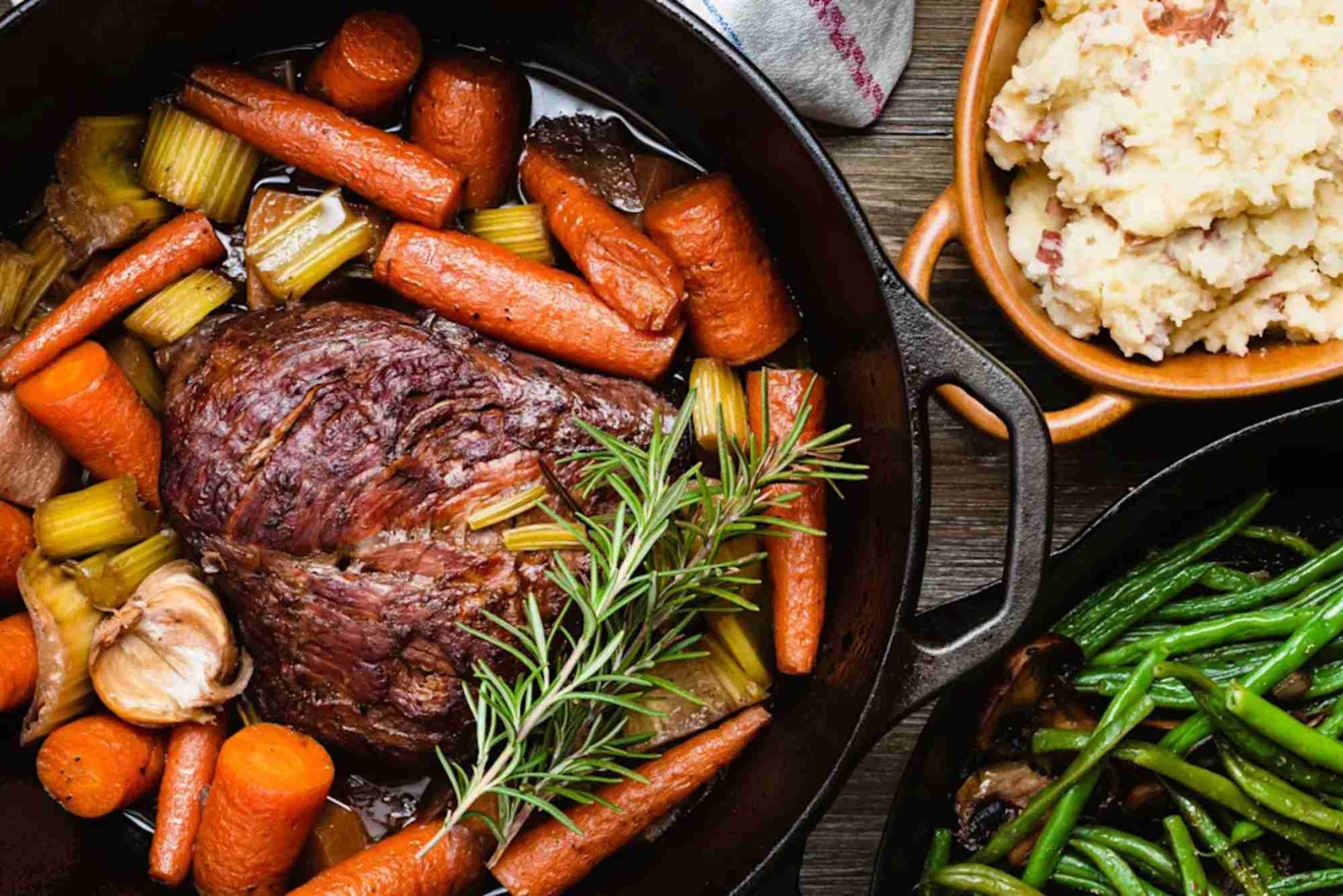
Protein-rich meals such as meatloaf, grilled chicken, and beef stir-fry are ideal for freezing. They maintain flavor and nutrition well, and reheating them is simple. Marinating meat before freezing can enhance taste, and cooking sauces separately ensures the dish does not become watery. Cutting meat into meal-sized portions makes defrosting faster and prevents waste.
Seafood can be frozen as well, though it requires extra care. Wrapping fish fillets tightly and freezing immediately after purchase preserves freshness. Poultry dishes, whether roasted or shredded for sandwiches, retain texture and flavor if properly cooled before freezing. Freezing meat-based dishes ensures you have a protein-packed option available anytime, making meal prep far more efficient.
Vegetarian and Vegan Options: Plant-Based Freezing
Vegetarian dishes like vegetable lasagna, lentil curry, and bean chili freeze exceptionally well. Starches like rice and quinoa maintain their texture, while hearty vegetables such as carrots, peas, and squash hold up in freezing conditions. Plant-based meals often benefit from freezing because flavors intensify over time.
Freezing sauces separately and adding fresh vegetables after reheating prevents mushiness. Freezer-friendly smoothies can also be prepared in portions using fruits like berries, mangoes, or bananas, offering quick nutrient-packed options. For vegan meals, tofu and tempeh freeze well if drained and pressed beforehand. Integrating frozen plant-based dishes into weekly meal planning can reduce stress and make healthy eating convenient.
Baked Goods: Sweet and Savory Treats
Baked goods are surprisingly easy to freeze, making them ideal for breakfasts or snacks. Muffins, scones, bread, and cookies retain flavor and texture when wrapped tightly or stored in freezer-safe containers. Sweet doughs, like cinnamon rolls, can be frozen before baking and finished in the oven when needed, offering fresh-baked flavor with minimal effort.
For savory baked goods, like quiches or stuffed breads, freezing before or after baking works well. Make sure to cool them completely before freezing to avoid condensation and sogginess. Using parchment paper between layers prevents sticking and preserves presentation. Frozen baked goods can be a lifesaver for hosting events or quick meals on busy mornings.
Tips for Freezing Food Successfully
Successfully freezing meals involves more than just placing them in the freezer. Portioning, labeling, and choosing the right containers are crucial. Glass, plastic, and silicone containers all have their benefits, while vacuum sealing can extend storage time. Avoid overfilling containers, as food expands when frozen, and leave space to accommodate that.
Thawing should generally be done in the refrigerator overnight, though soups and stews can be reheated directly from frozen. Rapid thawing in the microwave can affect texture, while slow thawing maintains integrity. Adding fresh herbs or a squeeze of lemon juice after reheating can refresh flavors that may dull during freezing. These small steps make a big difference in enjoying frozen meals without compromising taste.
Make Freezing Work for You
Freezing meals is a practical way to save time, reduce food waste, and ensure you always have a homemade option ready. By understanding which dishes freeze well—from soups and casseroles to protein-rich meals and baked goods—you can streamline meal prep while enjoying delicious, convenient food. Experiment with different recipes, invest in quality containers, and make freezing a regular part of your kitchen routine.
FAQ: People Also Ask
What foods freeze the best?
]Soups, stews, casseroles, cooked meats, beans, grains, and most baked goods freeze very well. Avoid high-water vegetables like lettuce.
Can I freeze cooked chicken?
Yes, cooked chicken freezes well. Portion it and store in airtight containers to maintain freshness.
How long can frozen meals last?
Most frozen meals last 2–6 months. Proper sealing and labeling can extend storage time safely.
Does freezing food affect nutrition?
Freezing preserves most nutrients, especially in soups, casseroles, and protein-rich meals. Some delicate vegetables may lose texture.
Can I freeze pasta dishes?
Yes, pasta dishes like lasagna and baked ziti freeze well if slightly undercooked before freezing. Avoid overcooking to prevent mushiness.
Looking for a place to explore a variety of interesting content and stay updated with the latest trends? Visit doneland.com to discover insightful articles, helpful resources, and much more. Make doneland.com your go-to destination for engaging online experiences.
Related Reading: Best Food Recipes for Family Gatherings