
Introduction
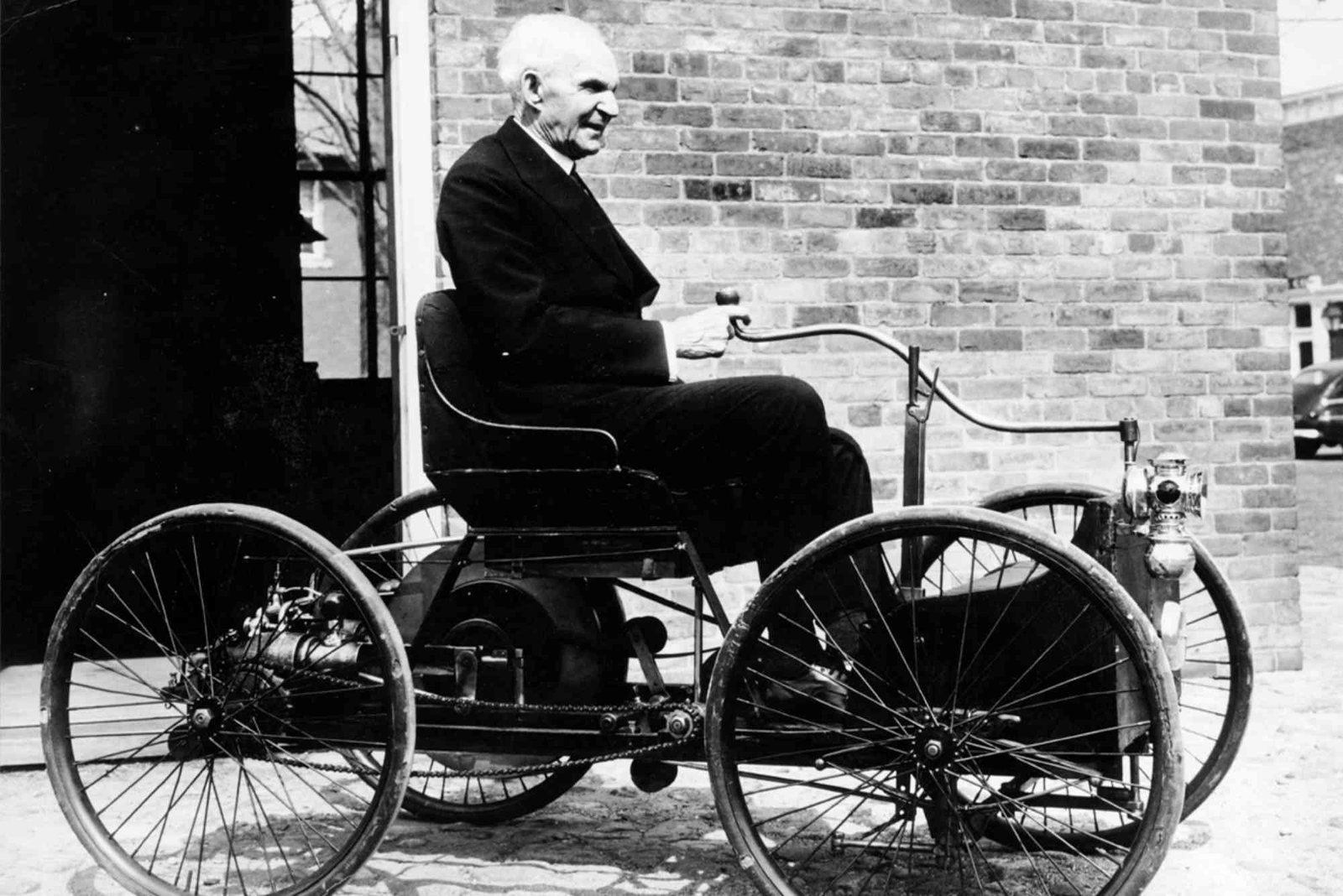
The question “When Were Automobiles First Invented” has intrigued historians, engineers, and enthusiasts for centuries. Cars have become a vital part of daily life, but the story of how they began is filled with innovation, rivalry, and passion. To truly appreciate today’s automotive marvels, it’s essential to trace their roots back to when the idea of a self-propelled vehicle first came to life.
The Early Vision: A Dream Before Its Time
Before the 19th century, people imagined machines that could move without horses or human effort. The dream of a self-moving carriage was alive as early as the 15th century, with sketches by inventors like Leonardo da Vinci. However, these designs remained theoretical, as technology to power such machines did not yet exist.
By the late 18th century, things began to shift. The Industrial Revolution brought about new materials, engines, and engineering principles. Inventors were no longer limited to imagination—they had tools to build what once seemed impossible.
The First Spark: Steam-Powered Vehicles
The true ancestors of automobiles were steam-powered vehicles. In 1769, Nicolas-Joseph Cugnot, a French engineer, built a three-wheeled steam carriage designed to transport artillery for the French army. Though slow and cumbersome, this machine is often recognized as the first self-propelled road vehicle.
By the early 1800s, inventors in England and America refined steam carriages. However, these vehicles faced major issues: they were heavy, expensive, and required frequent refueling and water refills. Moreover, early road laws were harsh, limiting their use. Despite the setbacks, the idea of self-propelled transportation continued to evolve.
The Gasoline Revolution: A New Era Begins
When discussing When Were Automobiles First Invented, the conversation naturally shifts to the 19th century—the age of internal combustion engines. Steam gave way to gasoline and diesel power, marking a turning point in transportation history.
Karl Benz and the Birth of the Modern Automobile
In 1885, Karl Benz, a German engineer, created the Benz Patent-Motorwagen, widely regarded as the first true automobile. It was powered by a single-cylinder four-stroke engine, capable of running on gasoline. Benz patented his invention in 1886, officially marking the birth of the automobile era.
His wife, Bertha Benz, played a critical role in proving the car’s reliability. In 1888, she made the first long-distance automobile trip, driving from Mannheim to Pforzheim, Germany—an act that gained global attention and demonstrated the practicality of this new invention.
Gottlieb Daimler and Wilhelm Maybach
Around the same time, Gottlieb Daimler and Wilhelm Maybach were developing high-speed gasoline engines. In 1889, they created a four-wheeled vehicle that featured a more refined engine design. Their innovations would later merge with Benz’s work to form Mercedes-Benz, one of the world’s most prestigious car brands.
The Spread of Innovation
By the 1890s, automobiles were appearing in France, Britain, and the United States. Early vehicles were handcrafted and expensive, accessible only to the wealthy. Yet, they laid the foundation for mass production and global adoption in the decades ahead.
The American Breakthrough: Making Cars for the People
While Europe invented the automobile, America transformed it into a mass-market product. The man behind this revolution was Henry Ford.
Henry Ford and the Model T
In 1908, Ford introduced the Model T, an affordable, reliable car designed for ordinary people. Its success was not only due to its design but also Ford’s groundbreaking assembly line production system introduced in 1913. This innovation drastically reduced production costs and made cars accessible to millions.
Within a decade, the automobile industry boomed, changing the way people lived, worked, and traveled. The question “When Did Automobiles Come Out” When Did Automobiles Come Out) finds its practical answer here—cars became a common sight in the early 20th century, marking the true beginning of the automotive age.
Global Expansion: Cars Around the World
As cars spread globally, each region developed its own innovations. In Europe, companies like Peugeot, Renault, and Fiat emerged. In the U.S., General Motors and Chrysler joined Ford in shaping the industry.
The early 20th century also saw the creation of luxury and performance vehicles. Rolls-Royce, founded in 1906, became a symbol of prestige, while manufacturers like Bugatti and Alfa Romeo pushed the boundaries of speed and design.
By the 1930s, the automobile had evolved from a novelty to a necessity, transforming economies and cultures worldwide.
Post-War Innovation and Design Evolution
After World War II, technological progress accelerated. The automobile industry adapted to new materials, safety regulations, and design philosophies. Cars became symbols of freedom and individuality.
The Rise of American Muscle and European Elegance
The 1950s and 60s were the golden age of automotive culture. In America, muscle cars like the Ford Mustang and Chevrolet Camaro embodied power and performance. Meanwhile, Europe focused on craftsmanship and precision with brands like Porsche, Jaguar, and Ferrari.
Japan’s Contribution to Reliability
By the 1970s and 80s, Japanese automakers such as Toyota, Honda, and Nissan revolutionized the market with their emphasis on fuel efficiency and reliability. These innovations forced global manufacturers to raise their standards, setting the stage for the modern automotive landscape.
The Digital and Electric Revolution
The question of When Were Automobiles First Invented naturally leads us to how they are evolving today. Modern vehicles differ vastly from their 19th-century ancestors. Cars now feature advanced electronics, AI systems, and electric powertrains that redefine mobility.
The Rise of Electric Cars
Pioneered by companies like Tesla, electric vehicles (EVs) have brought sustainability to the forefront. With concerns about climate change and fuel dependency, the future of the automobile is clearly electric.
Smart Cars and Self-Driving Technology
Today’s cars can park themselves, avoid collisions, and even drive autonomously under certain conditions. Artificial intelligence and connectivity are transforming vehicles into smart machines that communicate with each other and the environment.
To Learn more, visit this resource for deeper insights into global innovations shaping the transportation industry.
The Cultural Impact of Automobiles
Beyond mechanics, automobiles have reshaped societies. They influenced urban planning, enabled suburban life, and became central to pop culture—from Hollywood films to music and fashion. Cars are more than machines; they symbolize progress, independence, and identity.
For further reading on lifestyle and mobility’s connection, check this Related Automobile article to understand how technology continues to shape human habits and health.
Challenges and the Future
While the automobile has come a long way, challenges remain. Traffic congestion, pollution, and the need for sustainable energy sources push innovators toward greener solutions. The coming decades will likely see more electric, hybrid, and even hydrogen-powered vehicles dominating the roads.
Governments worldwide are setting goals to phase out internal combustion engines, signaling a new chapter in automotive history. The evolution that began in 1886 with Karl Benz continues to this day, shaping how future generations will travel.
FAQs
Who is considered the inventor of the automobile?
Karl Benz is credited with inventing the first true automobile in 1885, the Benz Patent-Motorwagen.
When did the first cars appear on the road?
The first practical cars appeared in the late 1880s in Germany and became popular globally by the early 1900s.
What was the first car to be mass-produced?
The Ford Model T, launched in 1908, was the first car mass-produced using assembly line techniques.
Were there cars before Karl Benz?
Yes, steam and electric vehicles existed before Benz’s invention, but his gasoline-powered car became the foundation for modern vehicles.
When did electric cars first appear?
Electric vehicles were introduced in the late 19th century and gained popularity again in the 21st century due to environmental concerns.
Answering “When Were Automobiles First Invented” unveils more than just a date—it tells the story of human creativity and perseverance. From Cugnot’s steam carriage to Benz’s Motorwagen, from Ford’s assembly line to Tesla’s electric revolution, every chapter of this journey redefines mobility and innovation.
The automobile remains one of humanity’s greatest achievements, continuously evolving to meet new challenges and dreams. Whether you’re a car enthusiast, a student of history, or simply curious about how it all began, the story of the automobile is a reminder that every great invention starts with imagination and determination.