
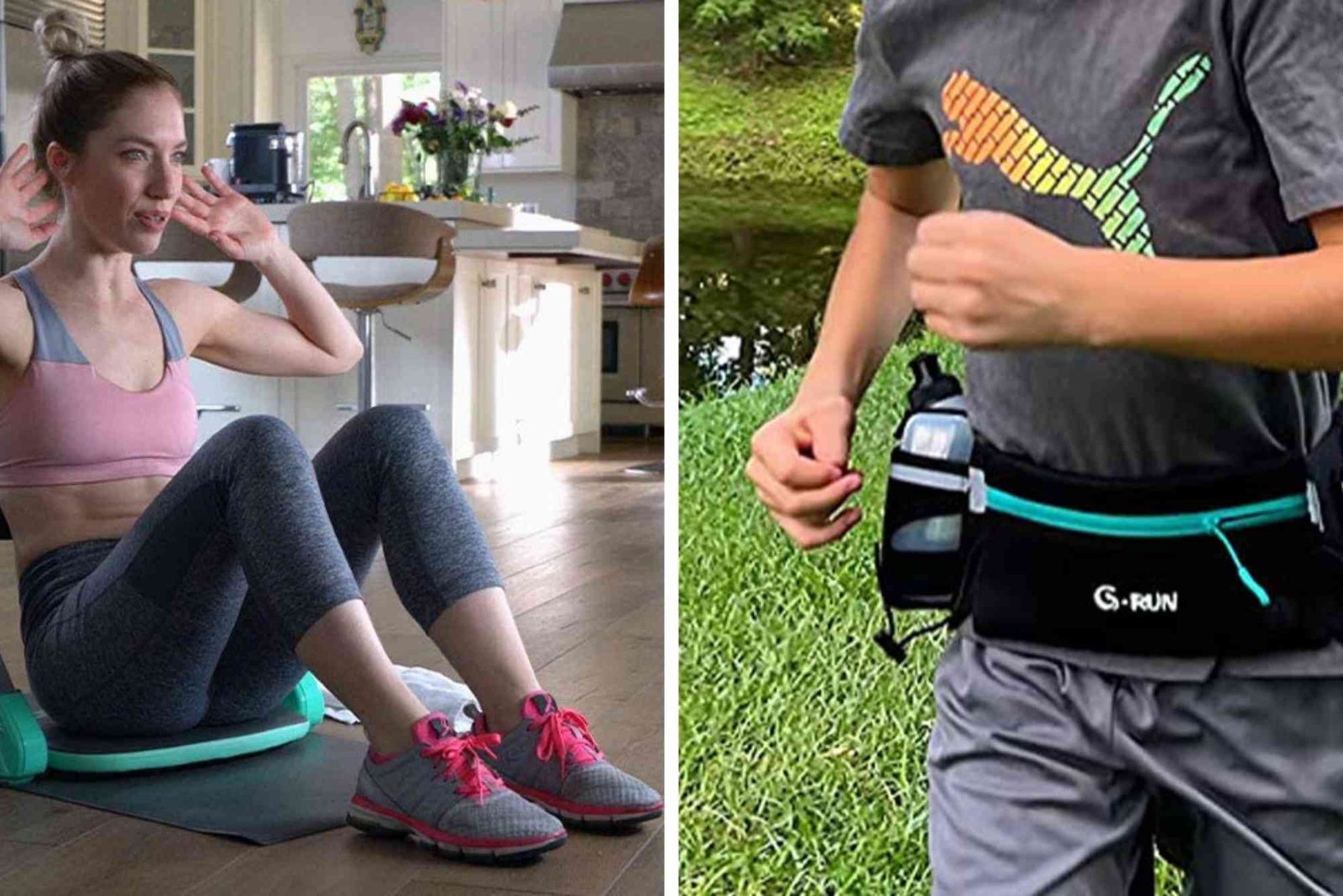
Practical Tips: To Start Exercising When You’re Out Of Shape
Starting an exercise routine when you’re out of shape can feel intimidating. Many people hesitate because they fear injury, embarrassment, or failure. The truth is that anyone can begin exercising safely with the right approach. This guide offers practical tips: to start exercising when you’re out of shape, helping you gradually build strength, stamina, and confidence without overwhelming your body.
Understand Your Starting Point
Assess Your Fitness Level
Before you begin, take note of your current abilities. Pay attention to how far you can walk, how many stairs you can climb comfortably, and your overall endurance. This baseline helps you track progress and prevent overexertion.
Set Realistic Goals
Start with achievable goals that motivate rather than intimidate. For example, aim to walk 10 minutes daily for the first week. Small wins build consistency and confidence, paving the way for longer, more challenging sessions.
Consult a Professional
If you have chronic health conditions, injuries, or concerns, consult a doctor or certified trainer. They can suggest safe exercises and modifications tailored to your abilities, ensuring a smooth start.
Choose the Right Exercises
Focus on Low-Impact Activities
Begin with low-impact exercises such as walking, swimming, or cycling. These activities minimize joint stress while improving cardiovascular health. Gradually increase intensity as your stamina improves.
Include Strength Training
Strength training is vital, even if you’re out of shape. Start with bodyweight exercises like squats, wall push-ups, and gentle core routines. Strength work improves posture, supports joints, and accelerates fat loss.
Flexibility and Balance Work
Incorporate stretching and balance exercises to prevent injuries. Yoga or gentle mobility routines enhance range of motion and make daily movements easier.
Make It Enjoyable
Choose activities you enjoy. Dancing, hiking, or recreational sports make exercise fun, increasing the likelihood of consistency. Boredom is a major barrier, so variety matters.
Structure Your Routine
Start Small and Build Gradually
Overdoing it early leads to burnout. How To Start Exercising When Youre Out Of Shape Begin with 15–20 minutes a day, three times a week. Gradually extend sessions, increase frequency, and add intensity over several weeks.
Warm-Up and Cool Down
Always warm up with light movements like marching in place to increase blood flow. Cool down with stretching to reduce muscle soreness and improve recovery.
Listen to Your Body
Pay attention to signs of pain or extreme fatigue. Mild soreness is normal, but sharp pain indicates overexertion. Modify exercises to avoid injury.
Track Progress
Keep a journal or use fitness apps to track workouts, duration, and improvements. Tracking helps maintain motivation and shows how far you’ve come.
Build Healthy Habits
Consistency Over Intensity
Consistency matters more than intensity for beginners. Establish a routine and make exercise a non-negotiable part of your day. Over time, your body adapts and performance naturally improves.
Pair Exercise With Nutrition
A balanced diet fuels workouts and aids recovery. Focus on whole foods, lean proteins, fruits, vegetables, and hydration. Avoid extreme diets, which can hinder energy and progress.
Rest and Recovery
Adequate rest is essential, especially when starting. Muscles repair and grow during rest days. Sleep also plays a crucial role in overall fitness and weight management.
Mindset Matters
Shift your mindset from self-criticism to self-compassion. Learn more Celebrate small wins, focus on progress, and avoid comparing yourself to others. Mental readiness is as important as physical preparation.
Overcoming Common Challenges
Lack of Motivation
Set clear, achievable goals and reward yourself for milestones. Partnering with a friend or joining group classes can provide accountability and encouragement.
Feeling Intimidated
Remember that every fitness journey starts somewhere. Focus on your progress, not others’. Wearing comfortable workout clothes and exercising in supportive environments can help ease anxiety.
Plateaus and Setbacks
Plateaus are normal. Change your routine by adding new exercises or varying intensity. Setbacks happen; treat them as opportunities to learn rather than failures.
doneland.com is a versatile online platform offering users a wide range of services and information. From insightful articles to practical resources, it caters to diverse interests and needs. With a user-friendly interface and reliable content, doneland.com makes exploring, learning, and connecting online simple and efficient for everyone.
Frequently Asked Questions
How can I start exercising if I’m extremely out of shape?
Begin with low-impact activities like walking, gentle cycling, or swimming. Focus on short sessions and gradually increase intensity. Consider consulting a trainer for guidance.
How often should a beginner exercise?
Start with 3–4 days a week for 15–20 minutes. Gradually increase duration and frequency as your stamina improves. Consistency is more important than intensity.
What exercises are best for someone overweight?
Low-impact cardio, bodyweight strength exercises, and flexibility routines are ideal. Swimming, walking, and chair exercises reduce joint strain.
Can I exercise if I have joint pain or other health issues?
Yes, with modifications. Low-impact activities and professional guidance can help you exercise safely. Always listen to your body and adjust intensity.
How do I stay motivated when progress is slow?
Set small goals, celebrate achievements, track progress, and vary your routine. Engaging in activities you enjoy makes it easier to stick to your plan.
Starting an exercise routine when you’re out of shape is entirely achievable with the right approach. Focus on practical tips: to start exercising when you’re out of shape, start small, track your progress, and prioritize consistency. Remember, every step counts, and even short sessions contribute to long-term health. Make fitness a habit, celebrate your achievements, and be patient with yourself.
Take the first step today. Explore a Related Blog article to deepen your knowledge, check How To Start Exercising When You’re Out Of Shape, and Learn more about building a sustainable routine that fits your lifestyle.