
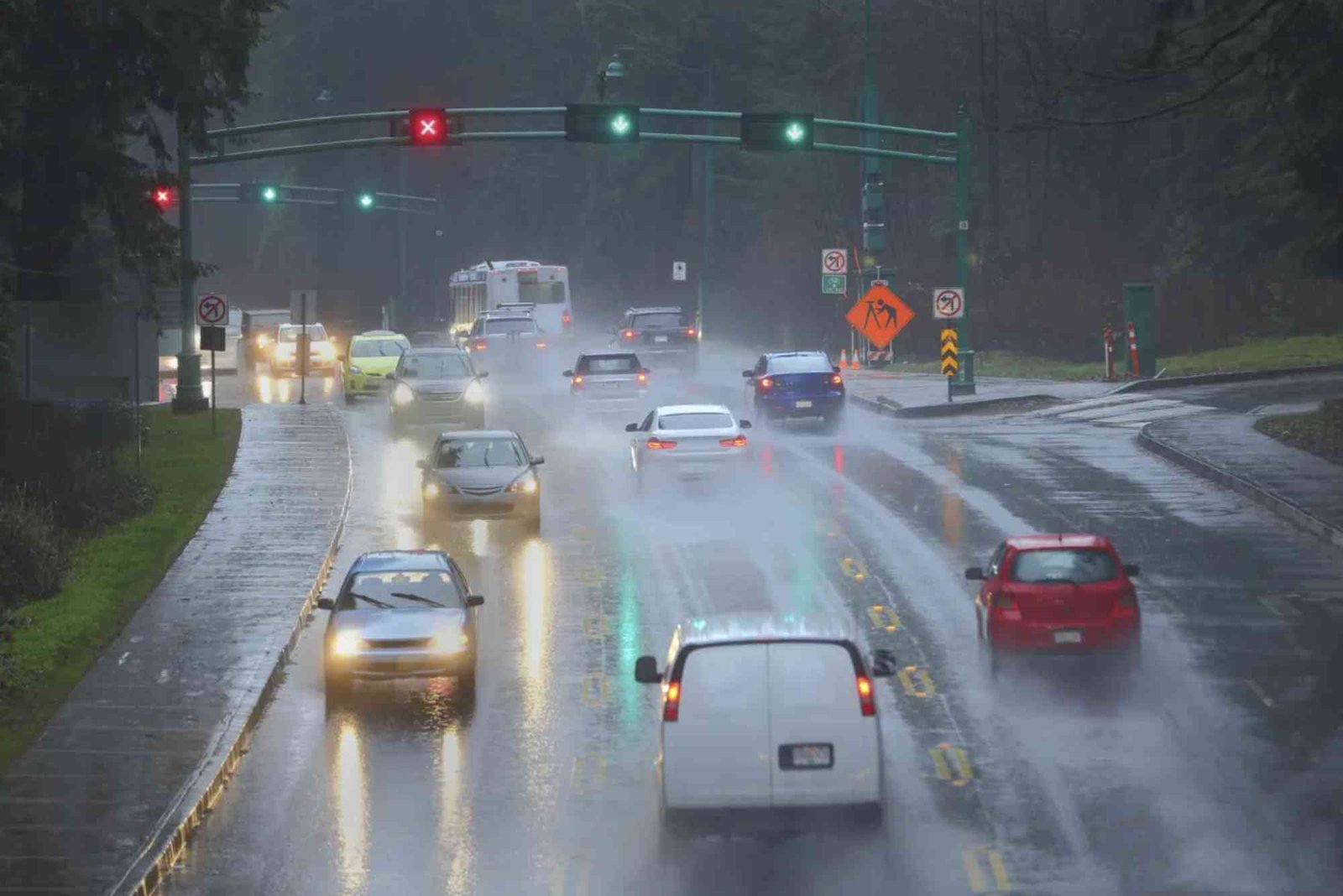
When the rain starts falling, driving becomes more challenging, especially when it comes to braking. Wet roads reduce traction, visibility decreases, and stopping distances increase dramatically. Understanding how your car brakes during rainy days behave is crucial for safety. Whether you drive daily or occasionally, knowing how to maintain control during slippery conditions can make all the difference.
This article explores how rain affects your braking system, practical tips to ensure optimal performance, and expert recommendations for maintaining your car’s safety on wet roads.
Understanding Car Brakes in Rainy Conditions
Rainwater creates a thin film between your tires and the road surface. This layer reduces friction, making it harder for your tires to grip. When you apply the brakes, your car’s ability to slow down efficiently decreases. Even modern systems like ABS (Anti-lock Braking System) can struggle if the tires lose too much contact with the road.
Wet weather also increases the risk of brake fade. When water reaches your brake pads and rotors, it can temporarily reduce friction, leading to delayed braking response. This is why drivers often notice that their brakes feel “spongy” or less responsive during rain.
Understanding these dynamics is the first step to safer driving. Once you know how rain impacts your braking performance, you can adjust your driving habits accordingly.
Essential Tips for Using Car Brakes During Rainy Days
Adjust Your Driving Speed
Slowing down is the simplest and most effective precaution. Lower speeds allow your tires to maintain better contact with the wet surface. When you brake at reduced speeds, you give the ABS and traction control systems more time to react.
Avoid sudden acceleration or braking. Smooth, gradual inputs help prevent skidding or hydroplaning. It’s always better to anticipate traffic and obstacles rather than react to them abruptly.
Increase Your Following Distance
On dry roads, a three-second gap is considered safe. During rain, extend that to at least five or six seconds. This extra distance allows you enough time to react if the vehicle ahead stops suddenly. It also reduces the need for hard braking, which can lead to skidding on wet surfaces.
Keep Your Brakes Dry
Water on brake pads can reduce their friction temporarily. Lightly pressing the brakes occasionally while driving through puddles helps keep them dry and responsive. This simple technique ensures that your braking system remains effective even when moisture is present.
Check Your Tire Condition
Your tires are the only contact point between your vehicle and the road. Worn-out tread or underinflated tires increase the risk of hydroplaning. Regularly inspect your tires for wear and tear, and make sure they are inflated to the manufacturer’s recommended pressure.
Good tire tread helps channel water away from the contact patch, improving grip and reducing braking distance.
Maintain Brake Components Regularly
Proper maintenance is vital. Check your brake pads, rotors, and fluid levels routinely. If you hear squeaking, grinding, or feel vibration during braking, have your system inspected immediately. These symptoms may indicate worn pads or rotors that need replacement.
Routine servicing not only ensures reliability but also helps you detect potential issues before they compromise safety. You can explore more on Car Brakes During Rainy Days for additional guidance on preventive maintenance.
How to React When Brakes Feel Weak in the Rain
Sometimes, even with proper maintenance, your brakes might feel weaker than usual in heavy rain. This can happen due to moisture buildup or temporary loss of friction.
If this occurs, stay calm. Lightly tap your brakes while maintaining steady pressure. This action generates heat and helps evaporate water from the brake components. Avoid slamming the pedal, as sudden braking can lock the wheels and cause skidding.
Always keep both hands on the steering wheel to maintain control. If your car begins to skid, steer gently in the direction you want to go instead of fighting the wheel.
The Role of Modern Braking Systems in Wet Conditions
Most modern vehicles are equipped with ABS, traction control, and electronic stability control (ESC). These systems help prevent wheel lock and maintain control during emergency braking.
However, technology can only do so much. The driver still plays the most critical role in ensuring safety. Understanding how these systems work allows you to complement them with responsible driving behavior.
ABS, for instance, pulses the brakes automatically when it detects wheel lock. You may feel a rapid vibration under your foot when it activates—this is normal. Don’t lift your foot off the brake; maintain pressure until the car stops.
Preventive Maintenance for Rain-Ready Brakes
Inspect Brake Pads and Rotors
Ensure your brake pads are not too thin. Pads thinner than 3 mm may not provide sufficient stopping power. Likewise, warped or corroded rotors can cause uneven braking and increase stopping distances in wet conditions.
Replace Brake Fluid on Time
Brake fluid attracts moisture over time. When too much water accumulates, it lowers the boiling point, which can lead to brake fade. Replace your brake fluid as recommended by your vehicle’s manufacturer—usually every two years.
Clean the Brake System Periodically
Dirt, grime, and road salt can accumulate on your brake components, especially during rainy seasons. Regular cleaning prevents corrosion and maintains optimal braking performance.
For more detailed information on vehicle maintenance, visit this Related Automobile article for insights into keeping your car in top shape.
Driving Habits That Protect Your Brakes
Gentle driving is not just safe; it’s economical. Avoid tailgating, aggressive lane changes, and rapid acceleration. Smooth, consistent driving reduces the strain on your brakes and improves overall control in wet conditions.
When descending hills, use engine braking by shifting to a lower gear rather than relying solely on your brake pedal. This reduces brake wear and helps maintain stability.
Remember, every small action you take to preserve your brakes contributes to long-term vehicle safety.
Common Myths About Braking in the Rain
Many drivers believe that pumping the brakes manually helps in wet conditions. This was true in older cars without ABS. However, modern vehicles handle this automatically, so manual pumping can actually reduce braking efficiency.
Another misconception is that braking hard helps dry your brakes faster. In reality, it increases the risk of hydroplaning. Gentle, consistent braking is always safer.
Frequently Asked Questions (FAQ)
1. Why do my brakes feel weak when it rains?
Moisture on the brake pads or rotors can reduce friction, making the brakes feel soft. Lightly applying them helps dry the components and restore normal performance.
2. How can I prevent my car from skidding in the rain?
Reduce your speed, increase following distance, and brake gently. Avoid sharp turns or sudden acceleration, as these can trigger skidding.
3. Do I need to change my brake pads more often during the rainy season?
Not necessarily, but frequent exposure to water and mud can accelerate wear. Regular inspections ensure your pads remain effective.
4. Should I use ABS differently on wet roads?
No. ABS works automatically to prevent wheel lock. Just apply steady pressure on the brake pedal and let the system do its job.
5. Can rain damage the brake system permanently?
Occasional rain exposure won’t cause permanent damage. However, long-term neglect can lead to corrosion or rust, affecting braking performance.
Stay Safe and Confident During Rainy Drives
Driving in the rain doesn’t have to be stressful. By understanding how car brakes during rainy days behave and adopting smart driving habits, you can ensure your safety and that of others. Regular maintenance, proper tire care, and responsible braking make a significant difference on wet roads.
Always remember: your vehicle’s safety starts with you. If you want to deepen your understanding of vehicle care and performance, Learn more about automotive best practices and expert insights.